Insights
Catch a charge
One in four new cars is electric. Here's why investors should care.
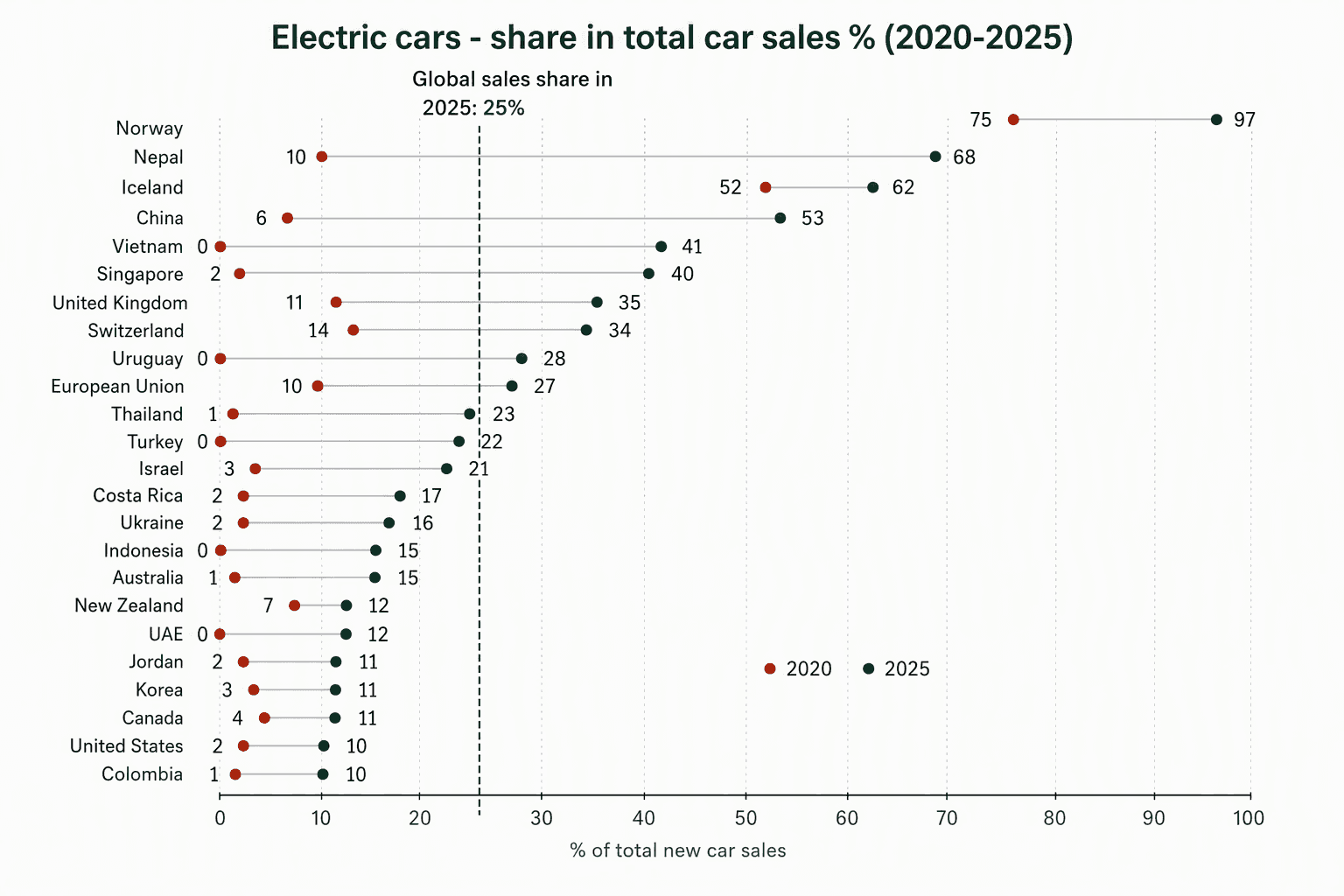
1 in 4 new cars sold globally is now electric. Yet only around 5% of the world’s cars are electric.
This is directly taken from the International Energy Agency's own number from its 2026 Global EV Outlook. Electric vehicles (EVs) hit 25% of global new car sales in 2025, more than 20 million cars, crossing that quarter mark for the first time ever. Back in 2020, that figure was just 4%.
So, in five years, EVs went from a niche choice to 1 in 4 cars driving off the lot.
Here's the twist: only around 4-5% of all the cars actually on the road today are electric (1).
That seems contradictory, so what’s actually going on?
Think of it like a bathtub filling up. The number of new cars sold each year is the tap, it's flowing fast now, a quarter of everything sold is electric. But the total number of cars already in that bathtub, the world's existing fleet, has been filled with petrol and diesel cars for over a century. Even at a very fast tap speed, it takes years to meaningfully shift what's already in the tub.
So, both numbers are true at once. The flow and momentum is electric. The stock is still mostly not. And that gap is the whole story, because it tells you this transition still has a long runway left, not that it's stalling.
Here's where it gets interesting for New Zealand specifically. A lot of people assume EV adoption is being driven by climate concern; people waking up to emissions and deciding to do something about it. But that's not really what the local data shows.
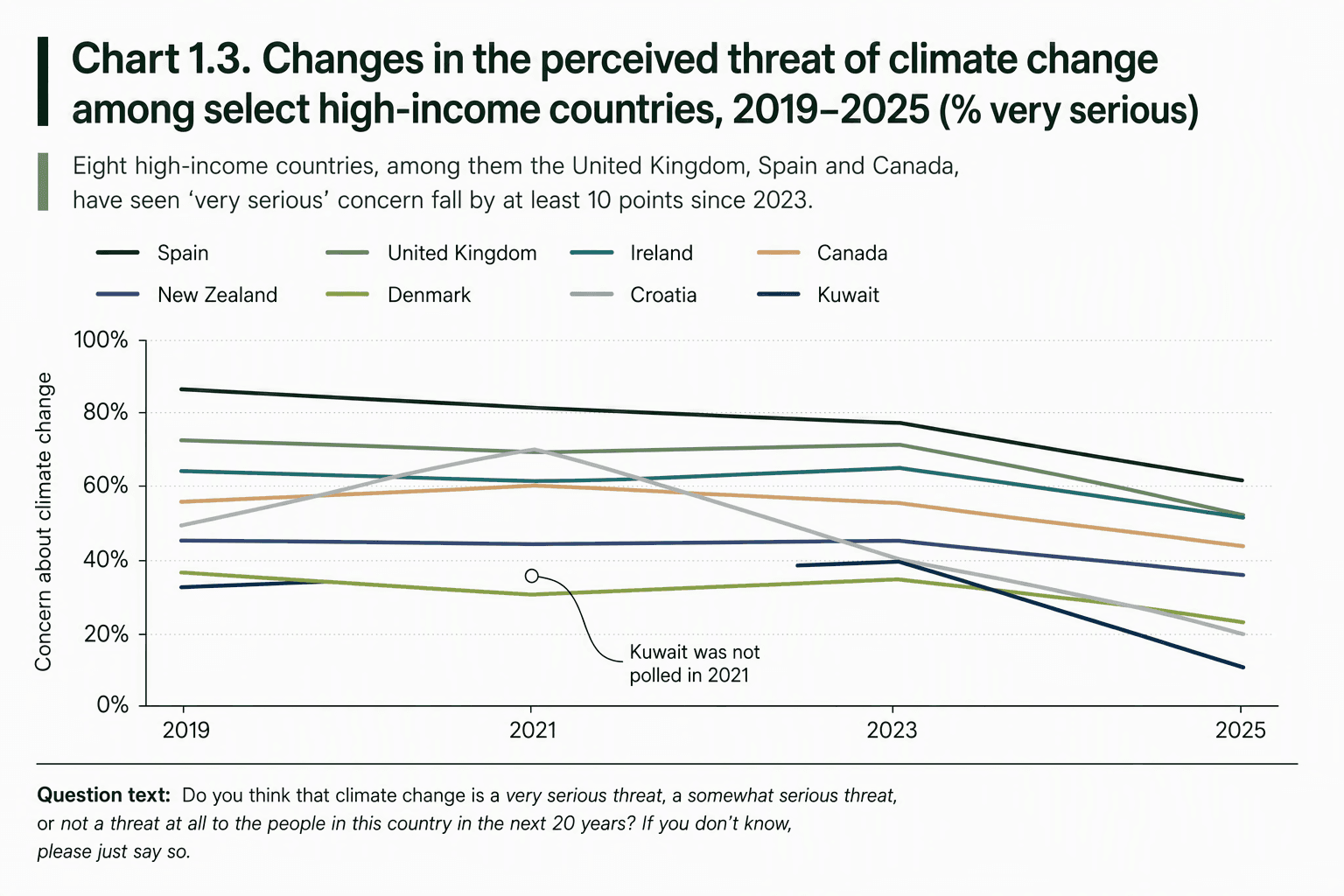
Ipsos New Zealand runs a quarterly Issues Monitor asking Kiwis what's worrying them. Cost of living has topped that list every single quarter through 2025 and into 2026, sitting around 55-65% of respondents depending on the wave (2) (3). Climate change, by comparison, has been sitting at just 14% and trending downward. Ipsos's own separate climate-specific survey backs this up: the share of New Zealanders who think the country should be doing more on climate change dropped from 64% in 2023 and 2024 down to 54% in 2025, now sitting below the 32-country global average (4).
And here's another surprising figure: in that same Ipsos survey, two in five New Zealanders said they think electric cars are just as bad for the environment as petrol ones.
So, if climate concern isn't rising, and a chunk of the country isn't even convinced EVs are better for the planet, why are EV sales still climbing? We think the more likely answer is a lot more practical: cheaper running costs, a lot more model choice now than five years ago, better range and tech, and simply not wanting to be tied to petrol prices that spike every time something happens on the other side of the world.
Why should you, an investor, care about this?
If you're an investor rather than just a car buyer, whether someone switches to an EV because they care about emissions, or because they're sick of paying for petrol, the result looks identical from the market's point of view. Demand shifts. Charging infrastructure is built. Battery costs keep falling. Capital follows the demand, regardless of what motivated it.
It's a good reminder that markets respond to behavior, not motivation. When millions of people quietly change how they spend their money, for whatever reason, entire industries reorganise around that shift. Sometimes the economic incentive and the environmental outcome point in the same direction even when the person making the choice was only thinking about one of them.
Despite declining concern about climate change in many developed countries, including New Zealand, EV adoption continues to grow. The reason matters to the individual consumer. The behaviour is what matters to markets.
The investment opportunity here is not really about picking the one EV car company that wins. It's much bigger than that - transport electrification pulls an entire ecosystem along with it, including:
- Battery technology: the chemistry and manufacturing behind what stores the power.
- Charging infrastructure: the physical network that must exist before EVs work at scale.
- Renewables and electricity networks: more EVs means more electricity demand, and that demand must come from somewhere and get delivered somewhere.
- Semiconductors: modern EVs run on chips, often more of them than a comparable petrol car.
- Software: from battery management systems to the increasingly computer-like way new cars are built. This one is still maturing as a standalone public investment theme, most of the exposure today sits inside larger diversified suppliers rather than pure-play companies, and the handful of dedicated automotive software names have had a rocky time financially.
That's the real lesson - some of the biggest long-term opportunities sit quietly in the businesses enabling the shift, not the flashiest name at the front of it.
Supply chain concerns
If we're honest, the EV supply chain isn't ethically simple either.
Over 70% of the world's cobalt, a key battery ingredient, comes from the Democratic Republic of Congo (DRC) (7), and child labour in artisanal cobalt mining there has been a documented, serious concern for well over a decade. serious enough that the US Department of Labor has listed DRC cobalt on its register of goods linked to child and forced labour since 2009 (5). This is an active problem, still generating real scrutiny from regulators, NGOs, and investors right now.
The genuinely encouraging part is that the industry is visibly responding rather than ignoring it. Battery makers are shifting toward chemistries that reduce or eliminate cobalt entirely. Lithium iron phosphate batteries, which are now common in mass-market EVs, use none at all. New EU and US due diligence rules are starting to require supply chain transparency that didn't exist a few years ago. The shift away from cobalt dependence and toward traceable, responsibly sourced materials, is itself becoming an investable trend inside the EV story.
This is exactly why screening and due diligence matter here as much as they do anywhere else. "Green" and "ethically clean" aren't automatically the same thing, and a serious investor treats them as two separate questions, not one.
The wrap up
So, while this story started with electric cars, it was really about something bigger. It's about how markets evolve, how people's priorities shift with the economic weather, and how millions of small, ordinary decisions made for all sorts of different reasons can reshape entire industries.
Whether those decisions are driven by values, by the wallet, or a bit of both, they create new opportunities and new risks for investors to understand, not just react. That's why looking past today's headline and understanding the fuller picture, sales versus stock, motivation versus outcome, opportunity versus supply chain, matters.
And if you don't have the time to dig into all of that yourself, that's exactly what an ethical fund manager like Pathfinder is there for.
Sources & further reading
(3) https://www.ipsos.com/en-nz/ipsos-new-zealand-32nd-issues-monitor
(4) https://www.ipsos.com/en-nz/ipsos-aotearoa-new-zealand-people-and-climate-change-report-2025
(6) IEA Global EV Outlook 2026
Graph 1: IEA, Global EV Outlook 2026. May 2026 (6). This image was refined using AI via Microsoft CoPilot.
Graph 2: Ipsos Global (4). This image was refined using AI via Microsoft CoPilot.
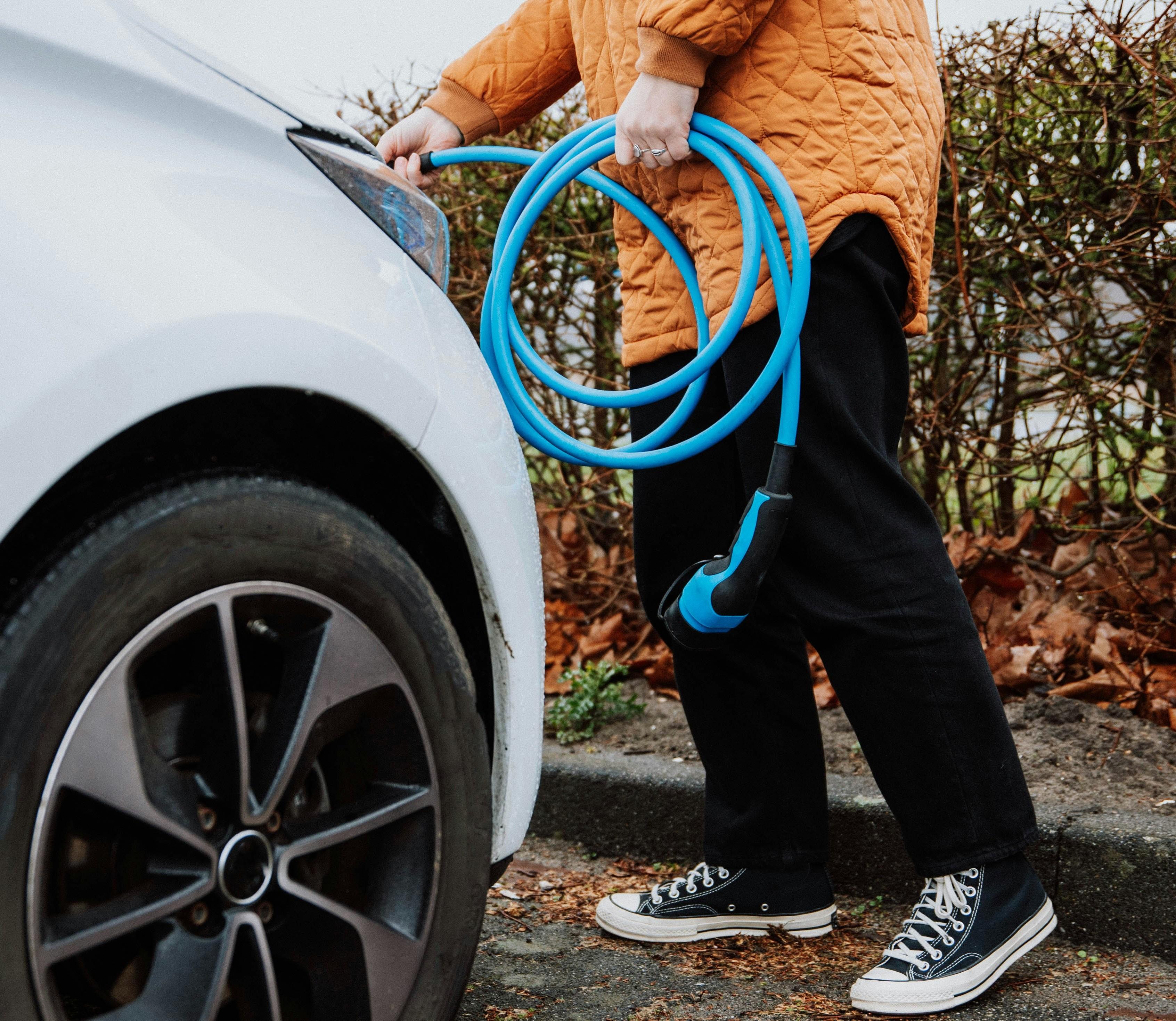
Photo by Frank van Hulst on Unsplash

by Alex Safran
Senior Investment ESG Analyst
Alex is an environmental scientist with a passion for sustainability and responsible investing. Alex brings experience in the field of climate science and financial services, having worked as a consultant first at Tonkin & Taylor and PwC, and then working in house as an ESG expert at BNZ, ASB and Kernel Wealth. Alex is committed to helping kiwis grow their wealth in a responsible manner that contributes to addressing some of our biggest problems such as climate change.